
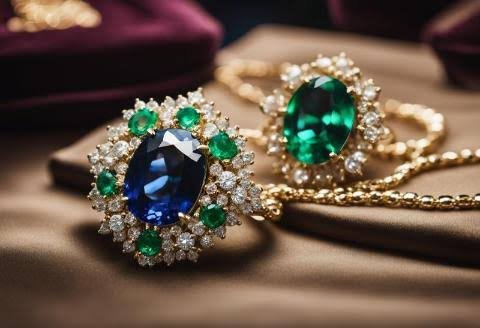
The Most Popular Gemstones for Fine Jewelry and Their Unique Characteristics
Choosing a gemstone is harder than it looks. Hundreds of options exist, and each differs in color, hardness, price, and what it traditionally represents. A stone that looks stunning in a showcase can scratch within a year if you wear it daily, and most buyers only find that out after paying.
The good news is that you don’t have to learn about every gem. A small group of stones has led fine jewelry for centuries, and for good reasons. They look great, they last, and they carry meaning people care about.
This blog covers the stones: Diamond, Blue Sapphire, Ruby, Emerald, and Pearl, and a few more one should know. For each stone, you must understand what makes it special, how it holds up in daily wear, and what to check before you buy. By the end, you should have a clear idea of which stone suits not only your style, but also your budget and lifestyle.
What Makes a Gemstone “Fine Jewelry” Quality?
Not every pretty stone qualifies as fine jewelry Jewelers usually look at five things. Color is the big one for colored gems. They judge it by hue (the basic shade), tone (how light or dark it is), and saturation (how vivid it is). Rich, even color almost always beats pale or patchy color.
Clarity is about inclusions, the tiny marks inside a stone. Diamonds are expected to be quite clean. Emeralds are rare, and buyers accept that. Cut decides how a stone handles light. A good cut makes a gem look lively, and a poor one can make excellent material look dull.
Durability matters because jewelry takes a beating. The Mohs scale rates scratch resistance from 1 to 10. Diamond is a 10, sapphire and ruby are 9, and pearls and opals sit much lower.
Rarity and origin finish the list. Natural stones took millions of years to form, while lab-grown ones are made in a few weeks. Both are real gems, but they differ in price and resale value, so a good seller will always tell you which one you’re buying.
Most Popular Gemstones For Fine Jewelry
- Diamond: The Timeless Classic
Diamond is the hardest natural material, a 10 on the Mohs scale. That’s why it became the standard for engagement rings. It handles daily wear for decades, and its sparkle comes from how well it bends and returns light.
Most diamonds are colorless or close to it, graded from D (the whitest) down to Z. Fancy colors like yellow and pink exist, but they’re rare and priced accordingly. You’ll hear a lot about the 4Cs: color, clarity, cut, and carat weight. Cut has the biggest effect on how the stone looks
Diamonds symbolize lasting love and strength. They work in engagement rings, wedding bands, studs, and everyday pieces, and they keep their value better than most gems.
The downside is cost. A fine natural diamond costs a lot for its size. Lab-grown diamonds are chemically identical and noticeably cheaper, so they’re worth considering if you want a larger stone within your budget.
- Blue Sapphire: The Gem of Depth
Sapphire belongs to the corundum family, the same mineral as ruby. Traces of iron and titanium give blue sapphire its color. At 9 on the Mohs scale, it ranks second only to diamond, so it handles everyday wear well.
Color plays a big role in a gemstone’s value. The most prized stones run from soft cornflower blue to deep royal blue. Too light and the stone looks washed out; too dark and it turns inky. Origin adds to the story. Kashmir sapphires are known for a velvety glow and are extremely rare. Burmese stones show a rich, vivid blue, and stones from Ceylon (Sri Lanka) tend to be brighter and lighter.
Most sapphires are heat-treated to improve color, which the trade accepts as long as it’s disclosed. Untreated stones are rarer and cost more.
Natural Blue Sapphire Rings are popular for engagements and anniversaries because the stone holds up well through daily wear. Sapphire has long stood for wisdom, loyalty, and truth.
- Ruby: The Fiery Red Gem
Ruby is corundum too, and shares sapphire’s hardness of 9. Chromium gives it the red color, and more chromium means a stronger color. The best rubies are a deep red with a slight blue undertone. This shade is particularly called “pigeon’s blood.”
Rarity is the main story. Fine rubies over one carat are scarce, and the very best can sell for more per carat than diamonds. Myanmar and Mozambique are well-known sources. As with sapphire, most rubies are heated, and untreated ones are valued much higher.
Ruby has stood for passion, courage, and vitality for centuries, and it’s the July birthstone. It’s tough enough for rings, pendants and bracelets. Look for even color across the whole stone, since patchy zones are common in lower grades. A small ruby with strong color often looks better than a large, pale one, so prioritize color over size.
- Emerald: The Green Statement Stone
Emerald is a type of beryl, colored green by chromium and sometimes vanadium. Even though it rates 7.5 to 8 on the Mohs scale, emeralds are brittle and can chip at the edge if knocked hard.
Inclusions are normal in emerald. Jewelers call the web of tiny fractures and crystals the jardin, French for garden. Nearly every emerald has one, and buyers judge a stone by how much it affects color and brilliance, not by whether it’s there. Many emeralds are also treated with oil or resin to make fractures less visible, and sellers should always disclose that treatment.
Because of that brittleness, Natural Emerald Gemstone Rings do best in protective settings like bezels or halos, and they suit people who don’t mind taking the ring off for heavy tasks. Emerald stands for rebirth, growth, and harmony.
- Pearl: The Organic Gem
Pearls are the odd ones out. Living mollusks make them, so they don’t form in the earth like other gems. They’re also soft, between 2.5 and 4.5 on the Mohs scale, which means they scratch easily and react badly to chemicals.
There are four main types:
- Akoya:the classic round white pearl, mostly from Japan and China
- South Sea:large and silky, in white or golden tones
- Tahitian:naturally dark, with shades of green, blue, and gray
- Freshwater:the widest range of shapes and colors, and the most affordable
Value comes down to luster, surface quality, shape and size. Luster, the deep glow from within, matters most.
Pearls suit necklaces and earrings, which can withstand everyday knocks. Rings are fine for occasional wear. Pearls symbolize purity, elegance and calmness.
Other Popular Choices Worth Knowing
- Aquamarine: A pale sea-blue beryl with a hardness of 7.5 to 8 and usually very good clarity. It has a light, fresh look and works well in pendants and rings.
- Amethyst:Purple quartz with a hardness of 7, ranging from soft lilac to deep violet. It’s affordable, so larger statement pieces are easy to manage.
- Garnet:Deep red is the best-known color, but garnet also comes in orange, green and more. Its hardness runs from 6.5 to 7.5.
- Topaz:It comes in a wide range of colors, from rare imperial orange to pink and blue. Its hardness is 8, but it can split along internal planes if struck hard. Blue topaz is a budget-friendly alternative to pricier blue stones.
- Opal:Known for its play of color, with flashes that shift as the stone moves. At 5.5 to 6.5 it’s delicate, and it can crack if it dries out. It’s best in pendants, earrings and carefully worn rings.
Choosing and Caring for Your Gemstone
How you’ll wear it: For a ring you’ll wear every day, choose a hard stone like diamond, sapphire, or ruby. Softer stones like pearl, opal and emerald work beautifully in earrings and pendants, or in rings kept for special occasions.
Meaning and budget: A birthstone, an anniversary gem or a stone that simply matters to you will always feel more personal than a trend. A smaller stone with excellent color usually looks better than a larger one with weak color.
When you buy:
- Ask for a lab certificate on any important stone
- Ask whether the stone is natural, treated or lab-grown
- Look at it in both daylight and indoor lighting, since color can shift
- Check the return policy before you pay
How to keep your jewelry looking good:
- Clean with warm soapy water and a soft brush, then rinse and dry with a soft cloth
- Avoid harsh chemicals, and take rings off for the gym, gardening and cleaning
- Use an ultrasonic cleaner only on diamond, sapphire and ruby, never on emerald, pearl or opal
- Store pieces separately in soft pouches so harder stones don’t scratch softer ones
- Have the prongs and settings checked once a year
The Bottom Line
The best gemstone is the one that fits your life. If you want a stone that lasts for decades without much fuss, diamond, sapphire and ruby are the safest bets. If you love the green of an emerald or the soft glow of a pearl, go for it. Just give those stones a little extra care and keep them for the right pieces.
Don’t let trends or price decide for you. Choose a stone you enjoy looking at, ask the seller plenty of questions, and get a lab certificate for anything important.
Still not sure where to begin? The GemsRoot team is happy to talk it through with you. Browse our collection or get in touch, and we’ll help you find the right stone.