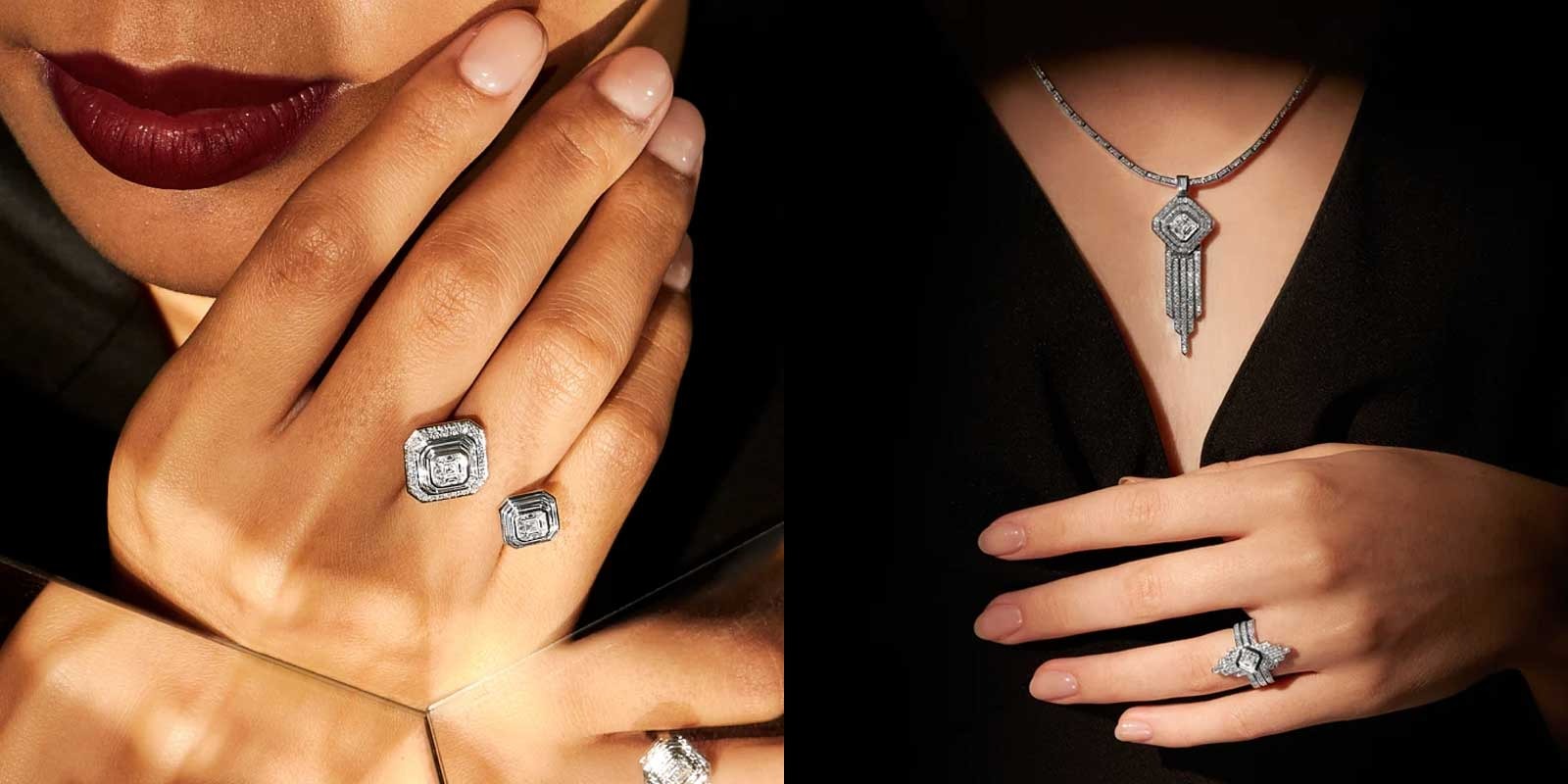
Why Art Deco Designs Define the Modern Engagement
The Roaring Twenties ushered in a radical shift in aesthetics, moving away from the soft, flowing lace-like patterns of the Edwardian era toward a bold, geometric future. This movement, known as Art Deco, remains one of the most influential periods in the history of luxury design, particularly within the realm of fine jewelry. Today, modern couples are increasingly bypassing contemporary mass-market designs in favor of the structured elegance and bold symmetry of Art deco engagement rings. These pieces offer a striking blend of architectural precision and romantic sentiment, making them the ideal choice for a bride who desires a ring that is both a fashion statement and a timeless heirloom. The resurgence of this style is not merely a trend; it is a testament to a period when craftsmanship and innovation reached a pinnacle of sophistication.
What defines the Art Deco aesthetic is its unapologetic embrace of geometry. Influenced by the rise of skyscrapers, the discovery of King Tutankhamun’s tomb, and the burgeoning aviation industry, jewelers of the 1920s and 30s began utilizing “white metals”—specifically platinum and white gold—to create high-contrast, monochromatic looks. These metals provided the structural integrity needed to support the intricate “calibre-cut” stones that are a hallmark of the era. These are custom-cut gemstones, often emeralds, sapphires, or onyx, shaped specifically to fit into a complex geometric setting. This level of customization is rarely seen in modern jewelry, where stones are typically cut to standard shapes and then fitted into pre-made settings. In an Art Deco piece, the metal and the gemstone are designed in perfect unison.
Beyond the geometry, the “soul” of an Art Deco ring is often found in the diamond cuts utilized by the artisans of the time. The Old European cut and the Transitional cut were the standards of the day. Unlike the modern brilliant cut, which is engineered for maximum light return and “fire” under artificial spotlights, these older cuts were hand-faceted to glow under the warm, flickering light of candles or early incandescent bulbs. They possess a deeper, more “pillowy” sparkle that feels substantial and grounded. For a collector, these hand-cut diamonds are a window into a time before automated laser cutting, where the skill of the diamond cutter was the determining factor in the stone’s beauty.
The durability and ethical narrative of these rings also contribute significantly to their popularity among today’s luxury gift buyers. Because Art Deco pieces were predominantly crafted in platinum—a dense, hard-wearing metal—they have survived a century in remarkable condition. For an engagement ring that will be worn daily, this structural integrity is vital. Furthermore, from an environmental standpoint, choosing a vintage ring is the most responsible way to acquire a diamond. It eliminates the need for new mining and honors the history of the earth’s resources. A vintage ring carries a “conflict-free” assurance that is built into its very history, offering peace of mind to the socially conscious consumer.
For the luxury gift buyer or the serious collector, the scarcity of authentic Art Deco pieces adds an element of exclusivity that modern jewelry cannot match. While many contemporary brands “mimic” the Deco style, they often lack the fine milgrain detailing—the tiny beads of metal along the edges of the setting—and the hand-pierced openwork that characterizes a true period piece. Authenticity in this niche is not just about the look; it is about the “heft” and the feel of a ring that was created by hand over a hundred years ago. Owning such a piece is akin to owning a fragment of history, a wearable piece of the Jazz Age that has witnessed decades of human experience.
Navigating the market for these rare treasures requires a deep understanding of hallmarks, stone settings, and the specific design nuances of the 1920s. It is a field where expertise is the most valuable asset a buyer can have. Whether you are searching for a centerpiece for a proposal or an addition to a curated collection of fine estate jewelry, finding a source that prioritizes the preservation and authentication of these historical artifacts is essential.
Selecting a ring is a deeply personal experience that marks the beginning of a new chapter. By choosing a design that has already proven its beauty across generations, you ensure that your symbol of commitment will never go out of style. If you are ready to discover a piece that perfectly bridges the gap between historical significance and modern luxury, the curated selection at Gesner Estate Jewelry provides the expertise and variety necessary to find a truly exceptional treasure.